
The Undulating Palette of a Country
Portugal seen through its palettes — azul tiles, terracotta, and verde gardens — and the centuries of craft that hold it all together.
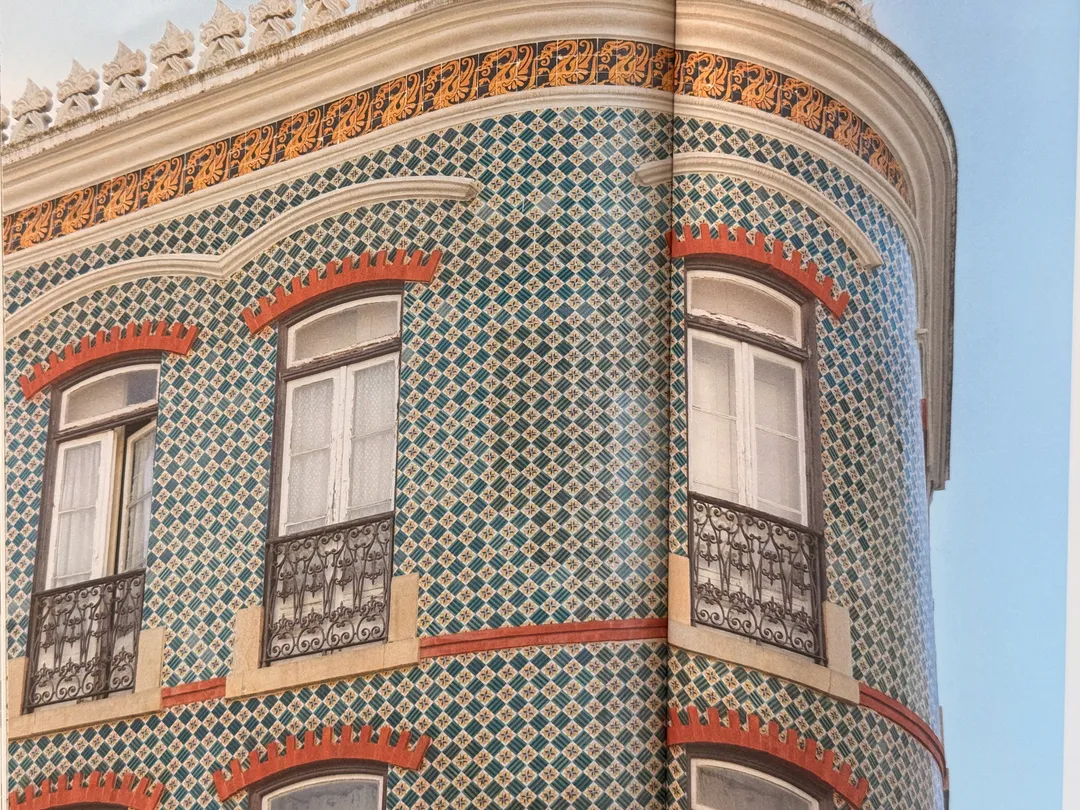
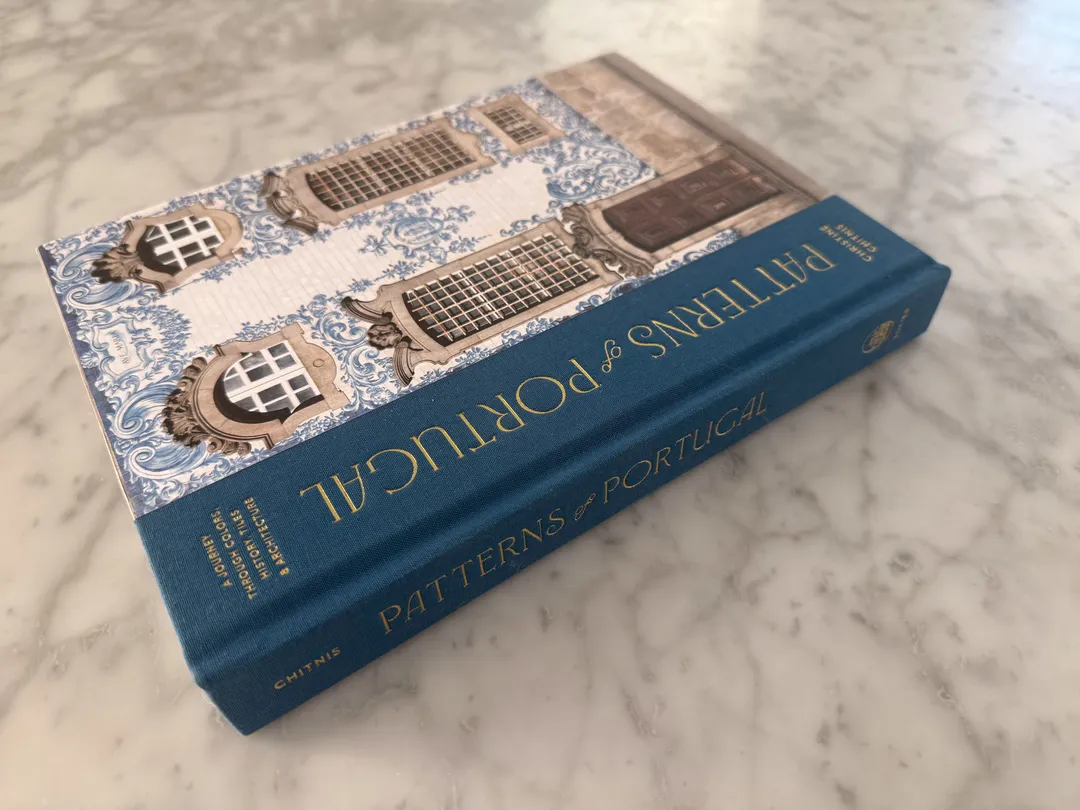
I had the fortune to travel to Lisbon and spend a day on the coast — it’s such a beautiful country and everyone is so warm — and one thing you notice is a very subtle undulation to the look of the homes, neighborhoods, and streets. The streets in Lisbon often curl around and up and down and about, and they’re tied together by this unique quarried stone and borders that has the effect of a flowing river. It’s not something you go “Aha!” to, but it is an impression. So when I saw this book, how exciting it was to discover someone else saw the same thing, as if it were some secret! (It’s not — Portugal is known for this.)
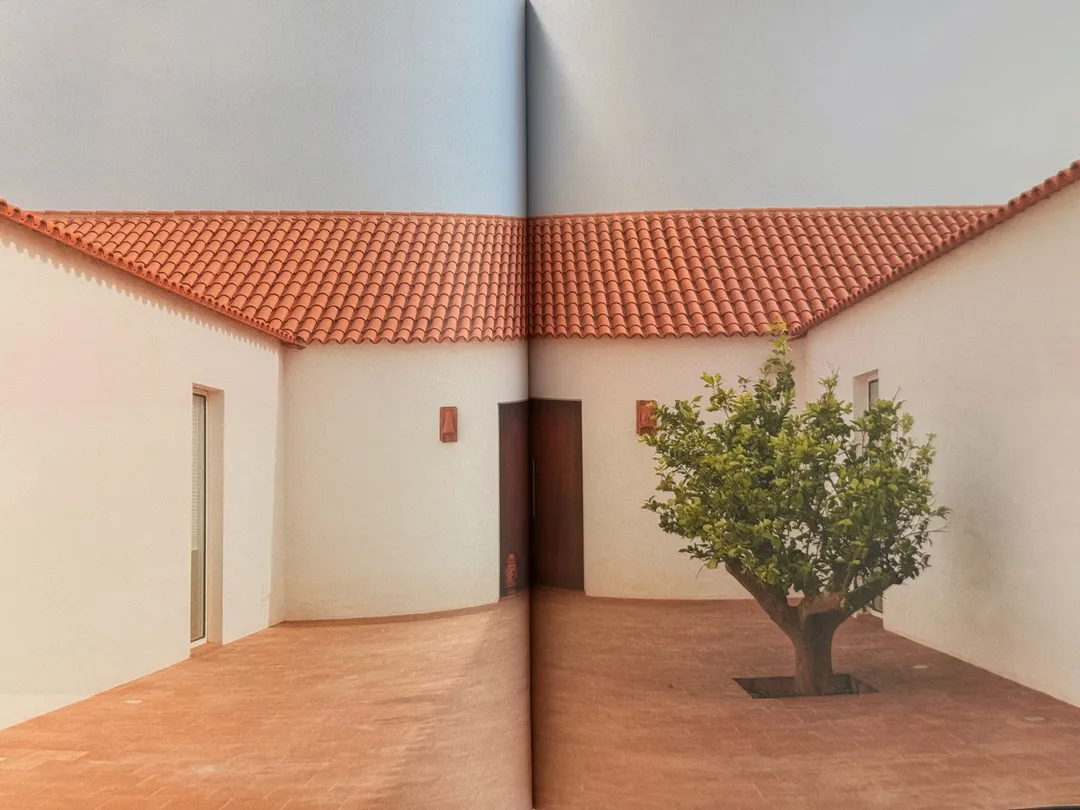
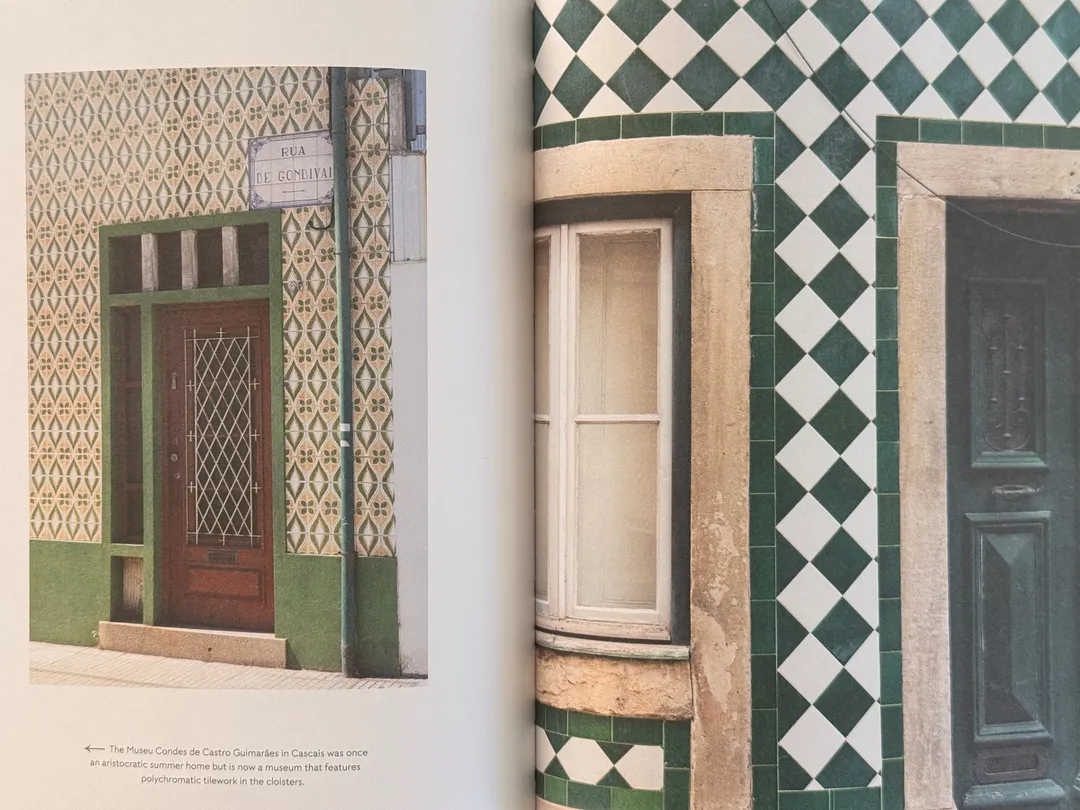
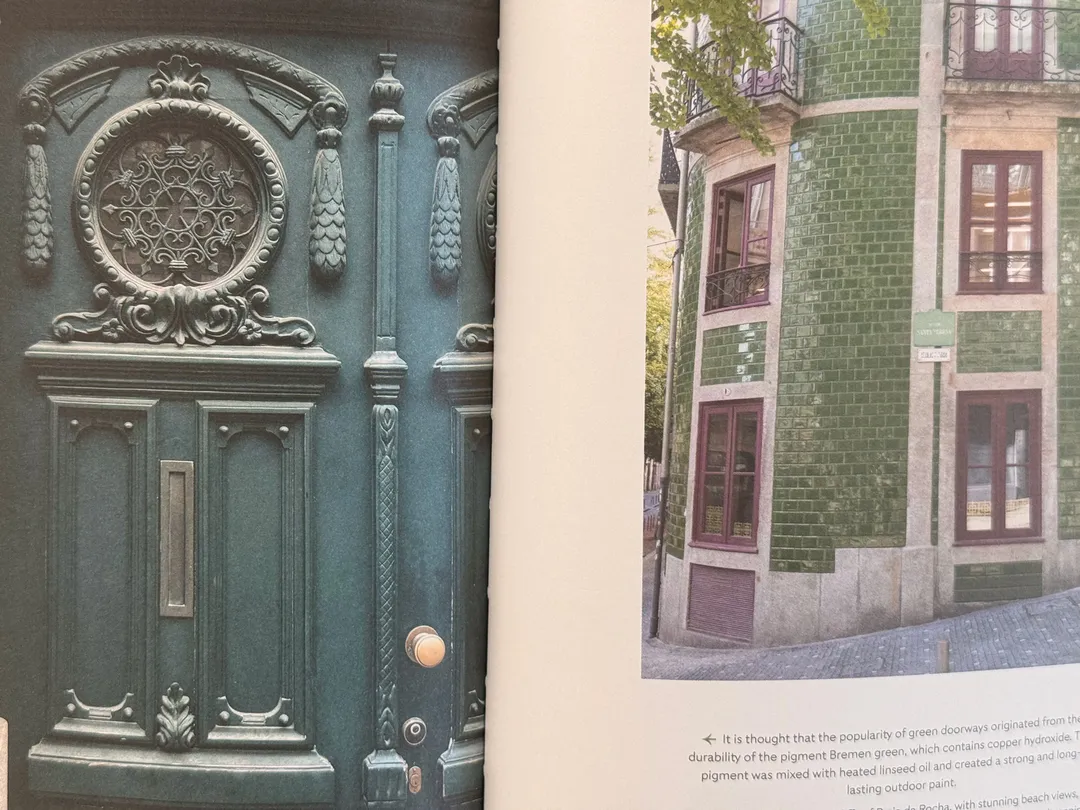
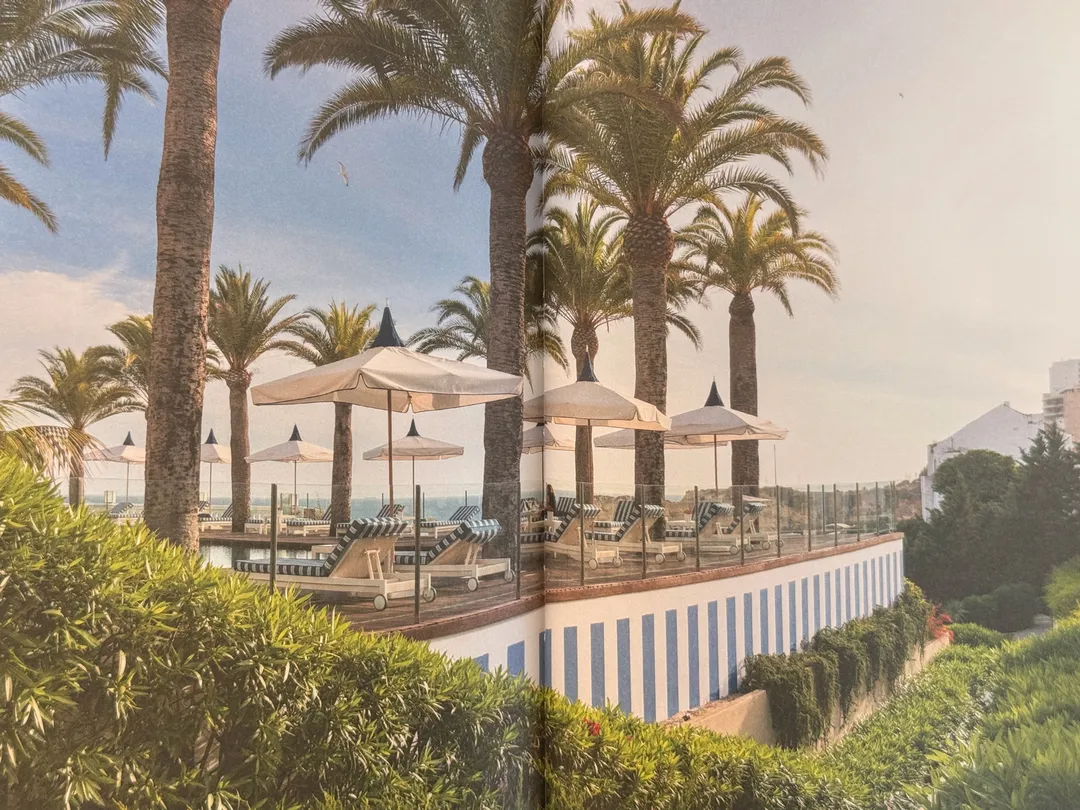
But once you realize this trait of Portugal, it becomes quite a novel lens for experiencing the country, and one that the author, Christine Chitnis, captures so well. Ms. Chitnis actually organizes the book by color. This is not arbitrary; it’s a reflection of the regional palettes, terroir, and unique history. Azul, sun, bougainvillea, terra cotta, and verde — all landscapes threaded together with architecture, interiors, décor, and the tapestry of living. And the country really is so well demarcated by the colors: golden paint framing lime-white walls in the Algarve, verdant doors and gardens in the Douro valley, pink flowers in a courtyard complemented by embroidered red and pink fabric on a chair. It’s so interesting how they’re all extensions of the geography and storied eras of Portugal.
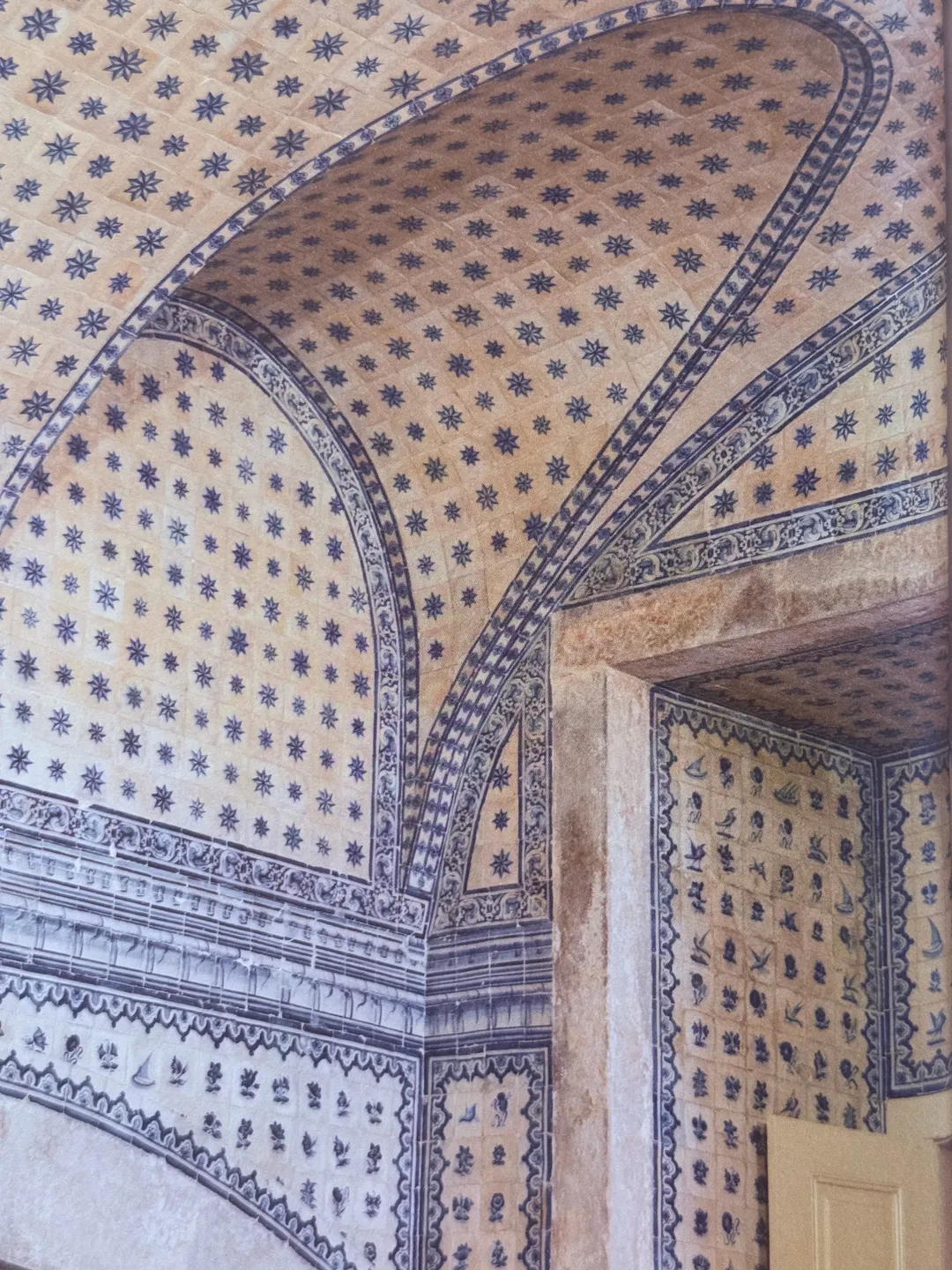
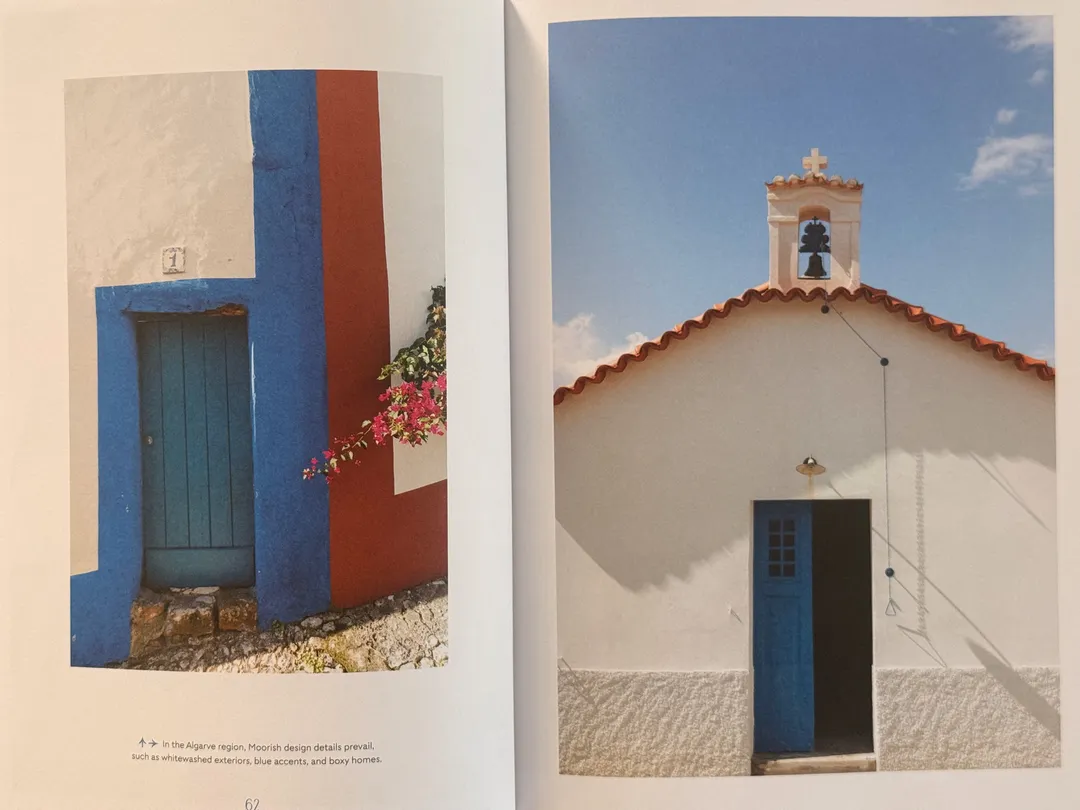
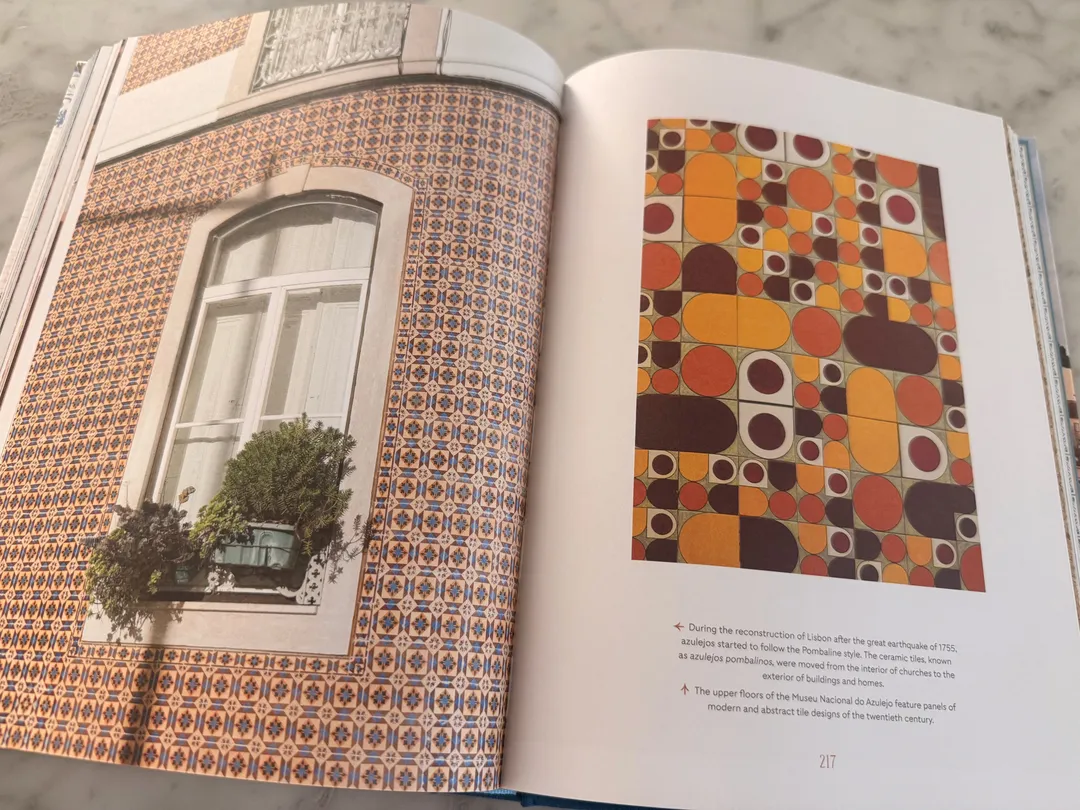
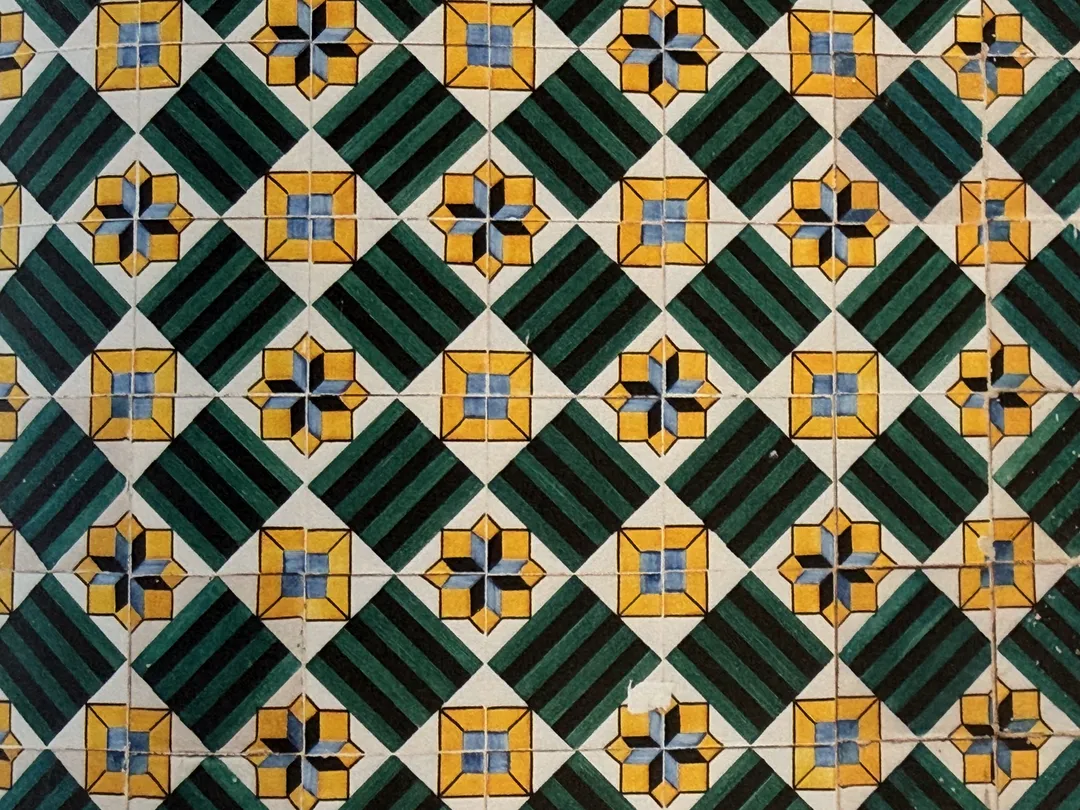
And the blue tiles, azulejos. Intricate patterns of blue on white tiles are the mark of the country. They’re everywhere, and they’re not just the same one repeated. They’re exquisite murals telling grandiose stories of Portuguese history, and windows into mundane living 200 years before. All on the side of someone’s house, or in someone’s kitchen. There is even a national museum of tiles, the Museu Nacional do Azulejo.
“In the hush of dawn, I watched from the sandy banks as the rising sun illuminated the towering buttresses surrounding the city, and I was briefly transported to a distant time.”
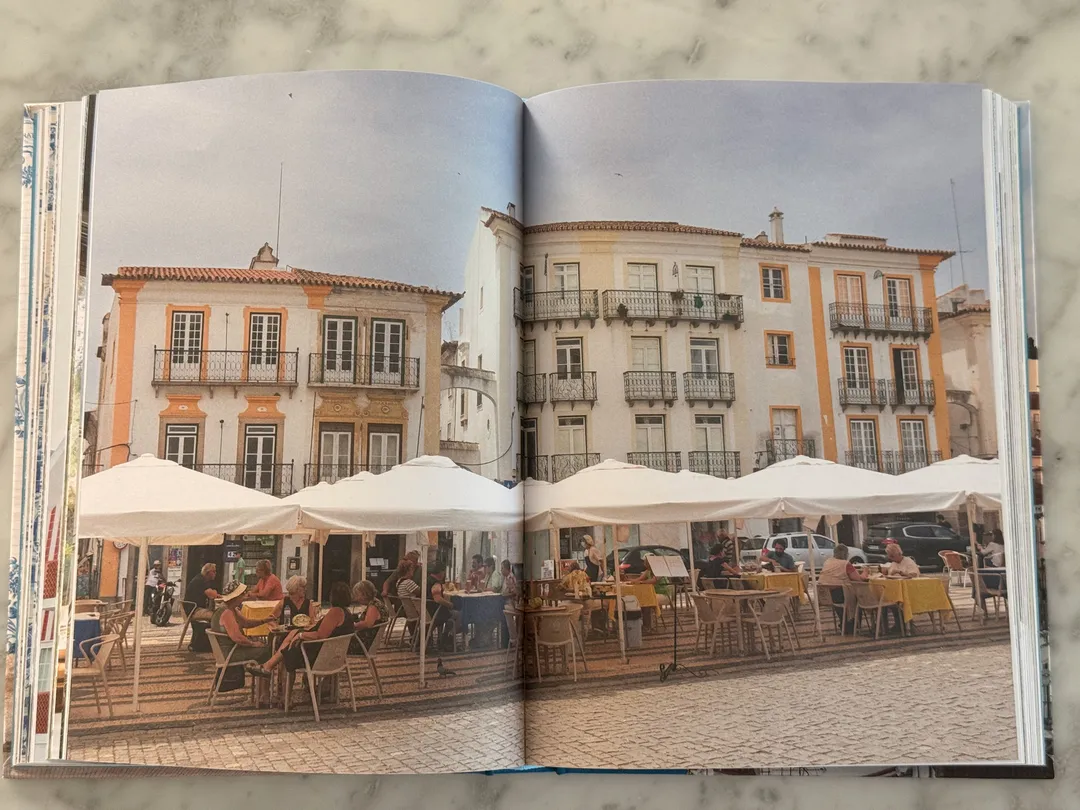
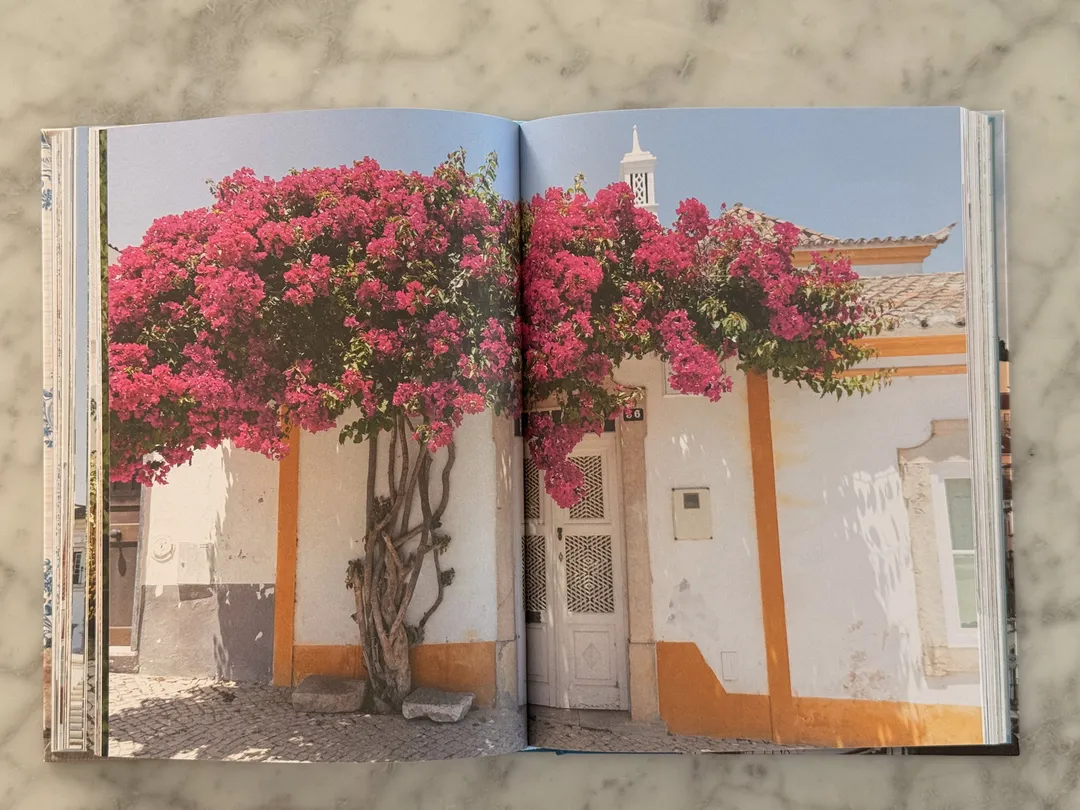
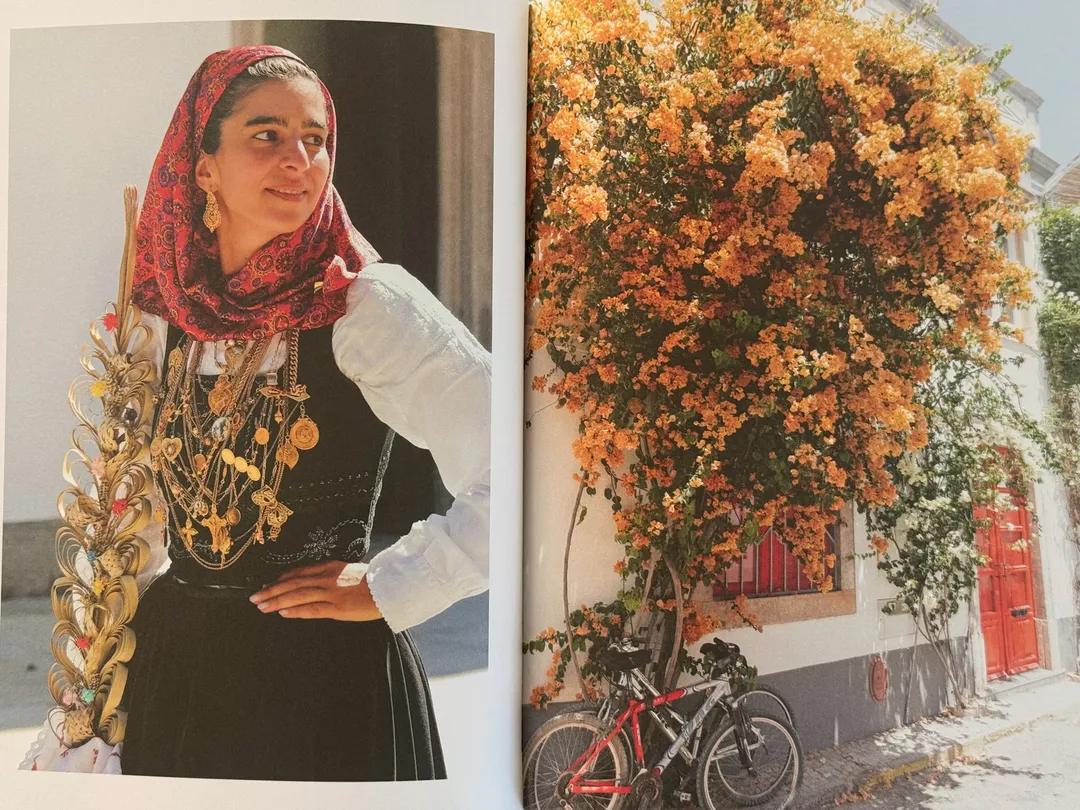
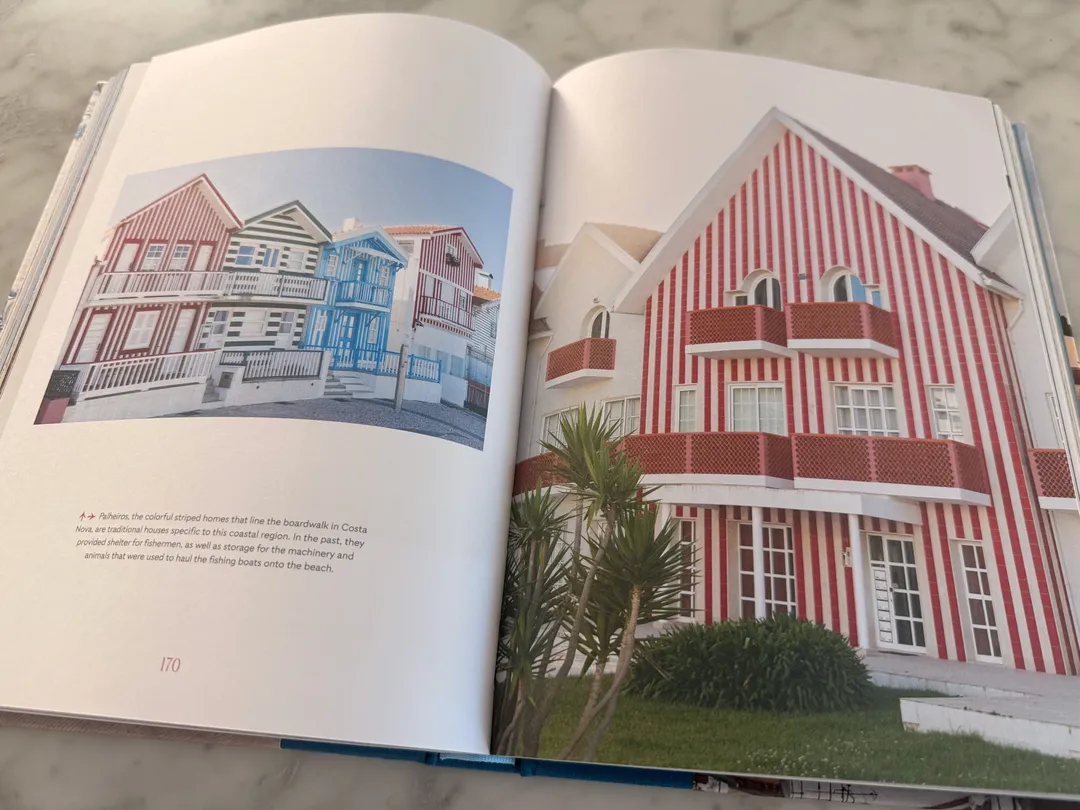
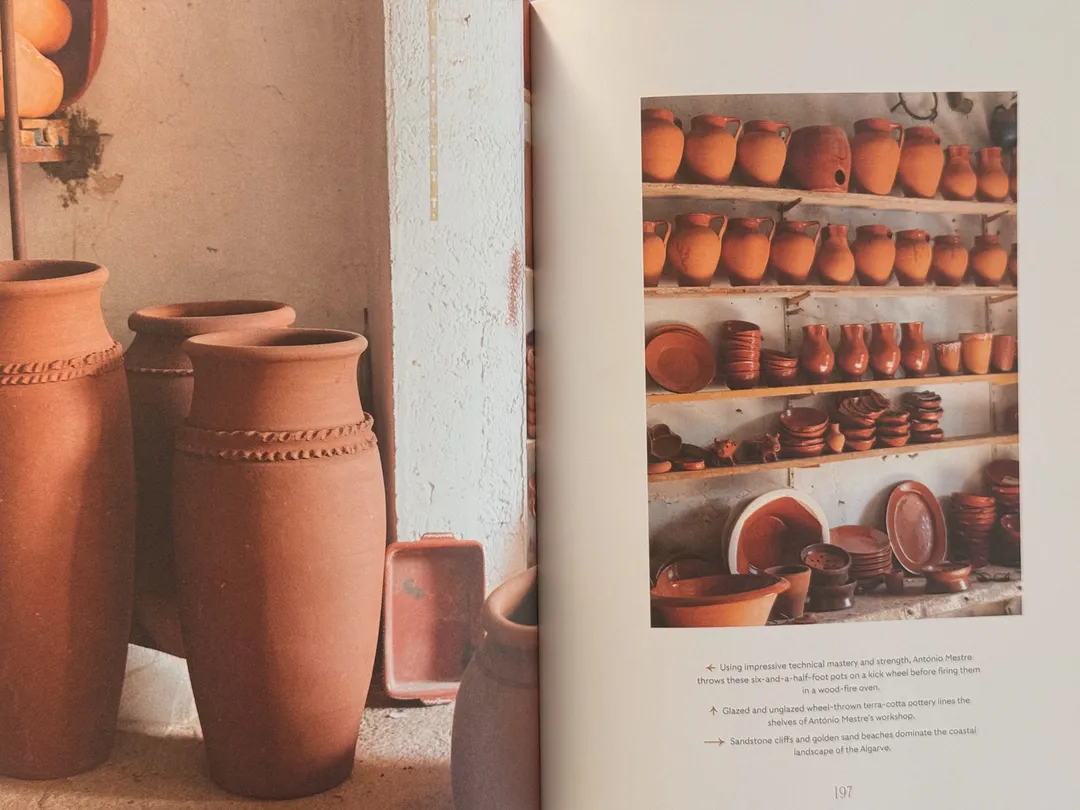
The tiling is incredible, and yet is only one part of the deep and historical culture of craft in Portugal. Craftsmanship is a source of national pride, and there is a resounding dedication to its preservation. This book does a wonderful job sharing this with you, in a jaunt through parts of the country, connecting the palette to the history and traditions of the country. Have a read, and then go visit.